In the complex tapestry of international relations, business dealings, and even local community disputes, the phrase neue verhandlungsrunde – or a new round of negotiations – often carries immense weight. It signifies a potential pivot point, a fresh opportunity to resolve stalemates, bridge divides, and forge a path forward after previous discussions may have faltered or reached an impasse. But what truly lies ahead when a new round of negotiations begins? It's a landscape fraught with both renewed hope and inherent challenges, demanding meticulous preparation, astute strategy, and unwavering diplomatic resolve.
The commencement of a neue verhandlungsrunde is rarely a spontaneous event. More often, it emerges from a crucible of existing issues, whether it's the need to address ongoing international conflicts, renegotiate trade agreements, or resolve disputes over historical grievances. Each new round brings with it the baggage of previous talks, alongside the glimmer of a fresh start. Understanding its dynamics is crucial for anyone involved, from policymakers and diplomats to business leaders and concerned citizens.
The Genesis of a Neue Verhandlungsrunde: Why Now?
A fresh chapter in negotiations typically isn't opened without compelling reasons. Often, a previous verhandlungsrunde might have stalled, reaching a deadlock where further progress seemed impossible. This can be due to entrenched positions, a lack of trust, or significant disagreements on core issues. In such cases, a 'cooling-off' period or a change in circumstances can pave the way for a neue verhandlungsrunde, offering parties a chance to reconsider their stances or explore new avenues for compromise.
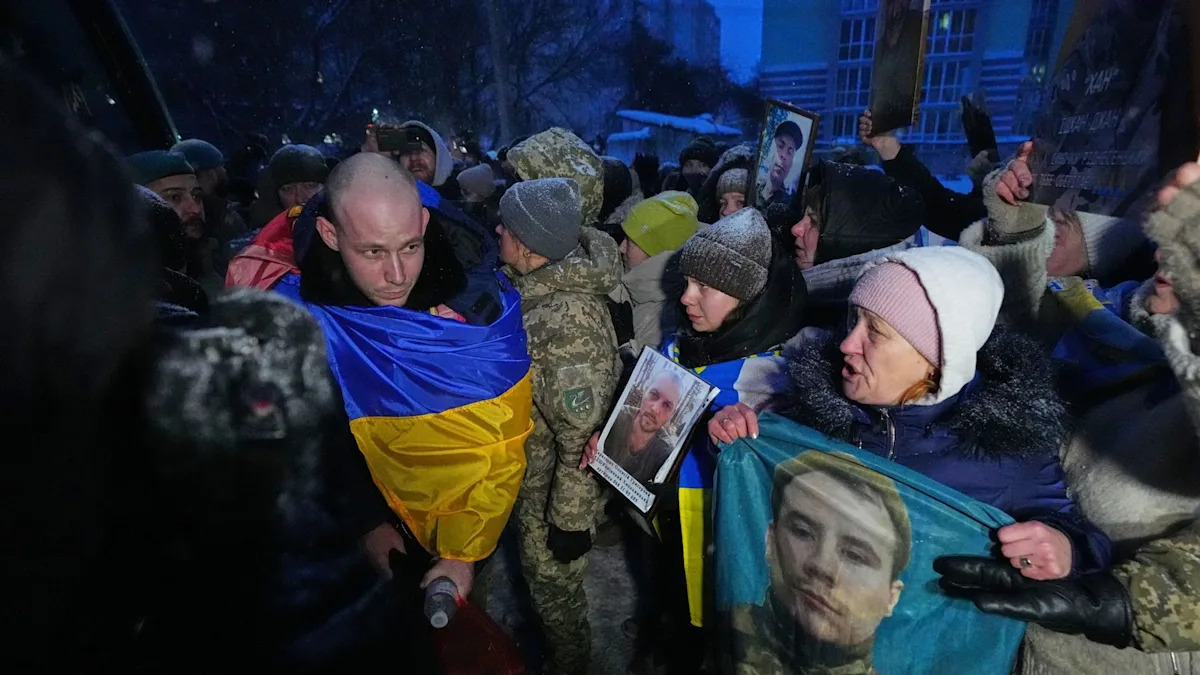
Consider a protracted international conflict, such as the situation in Ukraine. After periods of intense fighting and previous attempts at diplomatic resolution, the call for a neue verhandlungsrunde frequently emerges as a desperate plea for peace and stability. Such calls are often triggered by:
- Changed Geopolitical Landscape: New alliances, shifts in global power dynamics, or external pressures can create an environment conducive to resuming talks.
- New Leadership or Mandates: A change in government or leadership within a key negotiating party can bring a fresh perspective and a willingness to compromise where previous administrations could not.
- Escalating Costs: The human, economic, and political toll of an unresolved issue can become so high that all parties are compelled to seek a resolution, even if it means revisiting difficult conversations.
- Mediation Efforts: The successful intervention of a neutral third party can often create the necessary trust and framework for a neue verhandlungsrunde to commence effectively.
While the prospect of a new round inherently carries optimism for a breakthrough, it's also vital to temper expectations. Past failures can cast long shadows, and genuine progress demands more than just a willingness to talk; it requires a deep-seated commitment to finding common ground and a readiness to make difficult concessions.
Key Stakeholders and Their Imperatives
Every neue verhandlungsrunde involves a complex web of stakeholders, each arriving at the table with their own set of interests, red lines, and strategic objectives. Identifying these players and understanding their underlying motivations is paramount for any successful negotiation. These can include:
- Direct Parties: The primary entities whose dispute is at stake. Their internal politics, economic stability, and public opinion often heavily influence their negotiating positions.
- Supporting States/Allies: Nations that lend political, economic, or military backing to the direct parties. Their involvement can provide leverage or act as a complicating factor.
- International Organizations: Bodies like the United Nations, regional blocs, or specialized agencies often play mediating roles, providing a neutral venue, drafting proposals, or monitoring compliance.
- Non-State Actors: In some conflicts, armed groups, civil society organizations, or even influential individuals can significantly impact the negotiation process, either as participants or as external influencers.
Consider the intricacies involved when a government, such as the German government, expresses opposition to a neue verhandlungsrunde on specific issues, for example, with Namibia concerning historical reparations. As detailed in related discussions, this stance isn't taken lightly and often stems from carefully considered legal, historical, and political positions. Understanding Why Germany Opposes New Negotiations With Namibia highlights that even the mere initiation of new talks can be a highly contentious issue, reflecting deeply held principles and differing interpretations of past agreements or liabilities. Each party's mandate is often shaped by domestic pressures, historical narratives, and strategic geopolitical considerations, making the landscape of a neue verhandlungsrunde incredibly nuanced.
Strategies for Navigating a New Round of Negotiations Successfully
For any neue verhandlungsrunde to yield productive outcomes, adopting robust strategies is non-negotiable. It's not just about showing up; it's about showing up prepared, flexible, and committed to finding a resolution. Here are some key strategies:
- Thorough Preparation: Before even sitting at the table, negotiators must conduct extensive research. This includes understanding the other party's history, their current political and economic situation, their core interests (not just their stated positions), and potential areas of flexibility. Defining your own best alternative to a negotiated agreement (BATNA) is crucial.
- Clear Communication and Active Listening: Misunderstandings can quickly derail talks. Clear, concise articulation of positions is vital, but equally important is active listening – truly understanding the other side's concerns, even if you don't agree with them. This builds rapport and identifies potential common ground.
- Focus on Interests, Not Just Positions: Parties often present rigid positions, but underlying these are deeper interests. A successful neue verhandlungsrunde attempts to uncover and address these fundamental interests, which can sometimes be met in multiple ways, rather than just clinging to a single stated position.
- Cultivate Trust, Even Amidst Disagreement: While trust can be elusive, especially in high-stakes negotiations, small gestures of goodwill, adherence to agreed-upon procedures, and transparency can gradually build it. This is essential for long-term solutions.
- Flexibility and Creativity: A new round means exploring new solutions. Negotiators must be prepared to think outside the box, propose creative compromises, and be flexible on non-core issues to achieve core objectives. However, this must be balanced with firmness on critical red lines.
- Patience and Persistence: Breakthroughs rarely happen quickly. A neue verhandlungsrunde can be a marathon, not a sprint. Maintaining composure, sticking to the process, and demonstrating persistence are critical virtues.
Potential Pitfalls and How to Overcome Them
Even with the best intentions and strategies, a neue verhandlungsrunde is vulnerable to numerous pitfalls. Recognizing and proactively addressing these can significantly improve the chances of success.
- Entrenched Positions: Parties may arrive with hardened stances, unwilling to budge from previously held positions. Overcoming this requires skilled mediation, focusing on shared future benefits, and reframing the issues.
- Lack of Political Will: Domestic political considerations, upcoming elections, or internal dissent can severely limit a negotiator's ability to make concessions, even if a deal is strategically beneficial. External pressure or a stronger mandate from leadership can sometimes alleviate this.
- Historical Baggage and Mistrust: Past grievances and betrayals can poison the atmosphere of a new round. Building confidence-building measures, acknowledging past wrongs (where appropriate), and focusing on future cooperation can help to slowly erode mistrust.
- External Spoilers: Parties not at the negotiating table, or even factions within the negotiating parties themselves, can actively work to undermine talks. Identifying potential spoilers and developing strategies to mitigate their influence is crucial.
- Unrealistic Expectations: Hoping for an immediate, comprehensive solution to long-standing, complex issues can lead to disillusionment and abandonment of talks. Adopting a phased approach, focusing on smaller, achievable goals first, can build momentum.
A neue verhandlungsrunde is a testament to the enduring human capacity for dialogue and the belief that even the most intractable problems can ultimately be resolved through conversation. While the path ahead is often challenging, filled with political maneuvering, cultural sensitivities, and the weight of history, the very act of engaging in new negotiations offers a beacon of hope for progress. It calls for leaders and diplomats to combine strategic foresight with empathetic understanding, ultimately striving for outcomes that serve not just individual interests but also the broader goals of stability, justice, and mutual prosperity.